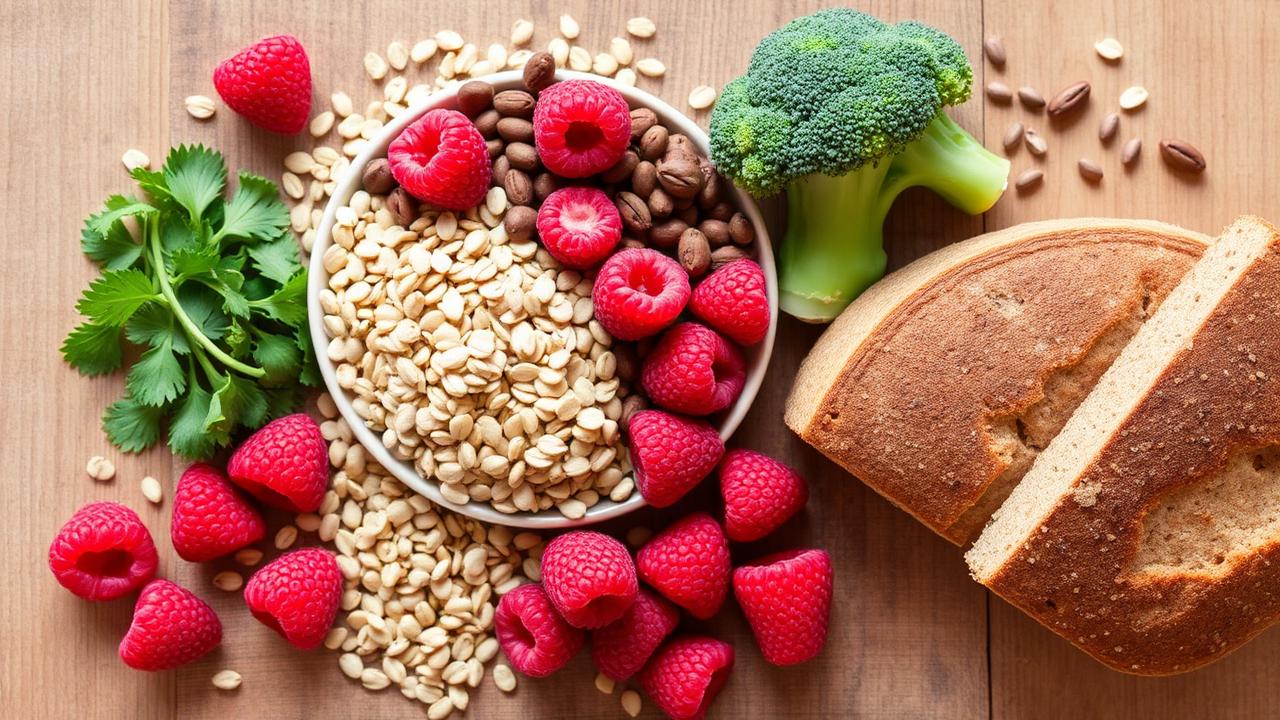
The Unsung Hero of Nutrition: Why Fiber Matters
When we talk about nutrition, the conversation often centers on macronutrients like protein, fat, and carbohydrates. However, dietary fiber is frequently overlooked despite being essential for long-term health.
The Health Benefits of Fiber
- Weight Management: High-fiber foods are more filling on fewer calories.
- Blood Sugar Regulation: Soluble fiber slows sugar absorption.
- Heart Health: Soluble fiber helps remove cholesterol from the body.
- Gut Health: Acts as a prebiotic for beneficial bacteria.
- Regularity: Insoluble fiber adds bulk and moves things along.
Soluble vs. Insoluble Fiber
1. Soluble Fiber: The "Gel-Former"
Dissolves in water to form a gel that slows gastric emptying. Supports blood sugar control, cholesterol reduction, and satiety. Top Sources: Oats, peas, beans, apples, citrus fruits, carrots, and barley.
2. Insoluble Fiber: The "Bulk-Builder"
Does not dissolve in water; acts like a broom through the intestines. Supports digestive efficiency and gut health. Top Sources: Whole wheat flour, wheat bran, nuts, beans, cauliflower, green beans, and potatoes with skin.
How Much Do You Need?
| Group | Daily Fiber Goal |
|---|---|
| Men | 38 grams |
| Women | 25 grams |
Note: Some health organizations suggest 14 grams per 1,000 calories consumed.
How to Increase Your Fiber Safely
- Go Slow: Add about 5 grams per week.
- Hydrate: Fiber absorbs water — drink plenty.
- Choose Whole Foods: Better than supplements.
- Spread It Out: Distribute across all meals.
Examples of Fiber-Rich Foods
Legumes: Lentils (15–16g/cup), split peas (16g), black beans (15g), chickpeas (12–13g).
Whole Grains: Chia seeds (10g/2 tbsp), oats (4–5g/cup), quinoa (5g/cup), air-popped popcorn (3–4g/3 cups).
Fruits: Raspberries (8g/cup), pears with skin (5–6g), apples with skin (4–5g), avocados (10–13g whole).
Vegetables: Artichokes (7g/medium), broccoli (5g/cup), Brussels sprouts (4g/cup), carrots (4g/cup).
Nuts and Seeds: Ground flaxseed (2g/tbsp), almonds (3.5g/oz), pistachios (3g/oz).
Disclaimer: Consult your healthcare provider before making significant changes to your diet.